Facing any issue ? Contact us at
0124-6987700
Facing any issue ? Contact us at 0124-6987700
Facing any issue ? Contact us at
0124-6987700
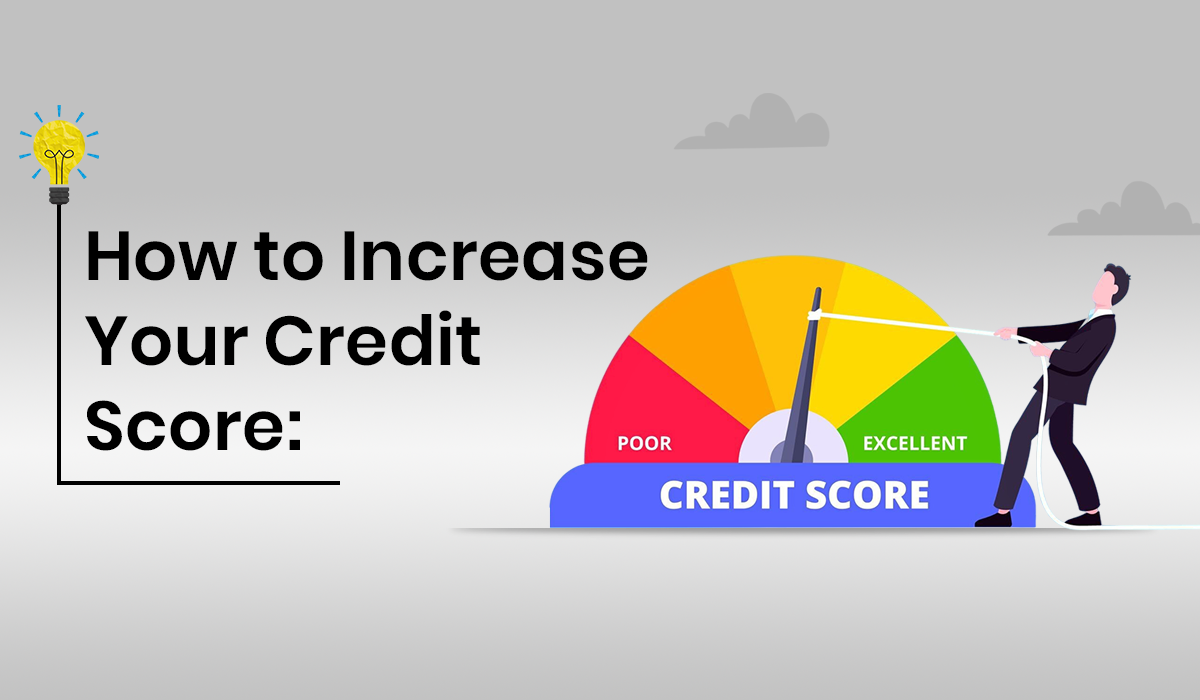
Your credit score is one of the most important financial indicators that lenders use when deciding whether to approve your loan application. Whether you are planning to apply for an agriculture loan, tractor loan, agri-implement loan, or other financial assistance, maintaining a healthy credit score can significantly improve your chances of approval. It can also help you secure lower interest rates and better repayment terms.
Many people believe that improving a credit score is difficult or takes years. In reality, consistent financial discipline and smart credit habits can gradually increase your score over time. Understanding how credit scores work is the first step toward building a stronger financial profile.
In this guide, we'll explain what a credit score is, why it matters, and share 9 practical tips to increase your credit score for better loan approval. These strategies are simple, effective, and suitable for anyone looking to strengthen their financial health.
A credit score is a three-digit number that shows how well you have managed your loans and credit card payments in the past. It helps banks and financial institutions understand whether you are likely to repay a loan on time.
Your credit score is based on factors such as your repayment history, outstanding loans, credit card usage, and overall credit behavior. In India, credit scores usually range from 300 to 900, with a higher score indicating better financial discipline.
A good credit score can improve your chances of getting a loan approved more easily. It may also help you qualify for better interest rates and higher loan amounts. Whether you're applying for an agriculture loan or MSME business loan, maintaining a healthy credit score is an important step toward building a strong financial future.
A strong credit score can make the borrowing process smoother when applying for financial products such as agriculture loans, tractor loans, used commercial vehicle loans, or other secured loans. Responsible borrowing and timely repayments help build a positive credit history, which benefits future loan applications.
A strong credit score offers several financial advantages, including:
Lenders prefer applicants who have demonstrated responsible borrowing and timely repayment habits.
Although every credit bureau uses its own scoring model, the following factors generally influence your score:
Understanding these factors helps you make better financial decisions.
Payment history is one of the biggest factors affecting your credit score. Missing even one EMI or credit card payment can negatively impact your credit profile.
Consistent on-time payments build trust with lenders and improve your score over time.
Credit utilization refers to the percentage of your available credit limit that you actually use.
For example:
Lower utilization reflects responsible credit management.
Applying for a loan when you genuinely need financial support is normal. However, submitting multiple loan applications within a short period may result in multiple hard inquiries on your credit report. Frequent inquiries can affect your credit profile and may influence how lenders assess your creditworthiness.
Instead:
Remember: Responsible borrowing is not about avoiding loans—it is about choosing credit wisely and applying when it is genuinely required.
Errors in your credit report can sometimes reduce your score without your knowledge.
Common mistakes include:
Review your credit report periodically and dispute any inaccuracies with the credit bureau immediately.
Lenders appreciate borrowers who can responsibly manage different types of credit.
Examples include:
A balanced credit portfolio demonstrates financial responsibility. However, avoid taking unnecessary loans solely to diversify your credit mix.
Many borrowers believe loan settlements are equivalent to loan closure.
They are not.
When you settle a loan instead of fully repaying it, lenders may report the account as "Settled" rather than "Closed." This status may negatively affect future loan approvals.
Whenever possible:
Owning multiple credit cards is not necessarily harmful. However, excessive spending can increase debt and raise your credit utilization ratio.
Responsible habits include:
Financial discipline is key to maintaining a healthy credit score.
Responsible borrowing means borrowing only what you genuinely need and ensuring you can comfortably repay it.
Good borrowing practices include:
Lenders value borrowers who manage debt responsibly.
Improving your credit score is not an overnight process. It depends on your positive financial behavior consistently practiced over several months and will gradually improve your score. Although small improvements made consistently often produce significant long-term results.
Stay committed to:
At IFFCO Kisan Finance, we believe that access to the right financial support can help individuals and farmers achieve their goals with confidence. We offer financing solutions designed to meet diverse financial needs, including:
While every loan application is evaluated based on applicable eligibility criteria, maintaining a good credit score can improve your overall financial profile and support a smoother loan application process. Combining responsible credit habits with proper financial planning can help you make the most of available financing opportunities.

No. Checking your own credit score is considered a soft inquiry and does not affect your credit score.
Yes. Responsible use of a credit card, timely bill payments, and maintaining low credit utilization can help improve your credit score.
Not always. Closing older credit cards may shorten your credit history and affect your credit utilization ratio. Evaluate the impact before closing any account.
Reviewing your credit report every few months helps you identify errors early and monitor your financial progress.
Building a strong credit score is not about finding shortcuts—it is about developing responsible financial habits that last. Paying your bills on time, keeping your credit utilization low, avoiding unnecessary debt, and regularly reviewing your credit report are all practical steps that contribute to a healthier credit profile.
Remember, every positive financial decision you make today can improve your borrowing opportunities tomorrow. Whether you're planning to apply for a home loan, personal loan, vehicle loan, or business financing, maintaining a good credit score increases your chances of approval and helps you access better loan terms.
Focus on consistency, stay financially disciplined, and treat your credit score as a long-term asset. With patience and responsible credit management, you can steadily improve your score and strengthen your overall financial future.