Facing any issue ? Contact us at
0124-6987700
Facing any issue ? Contact us at 0124-6987700
Facing any issue ? Contact us at
0124-6987700
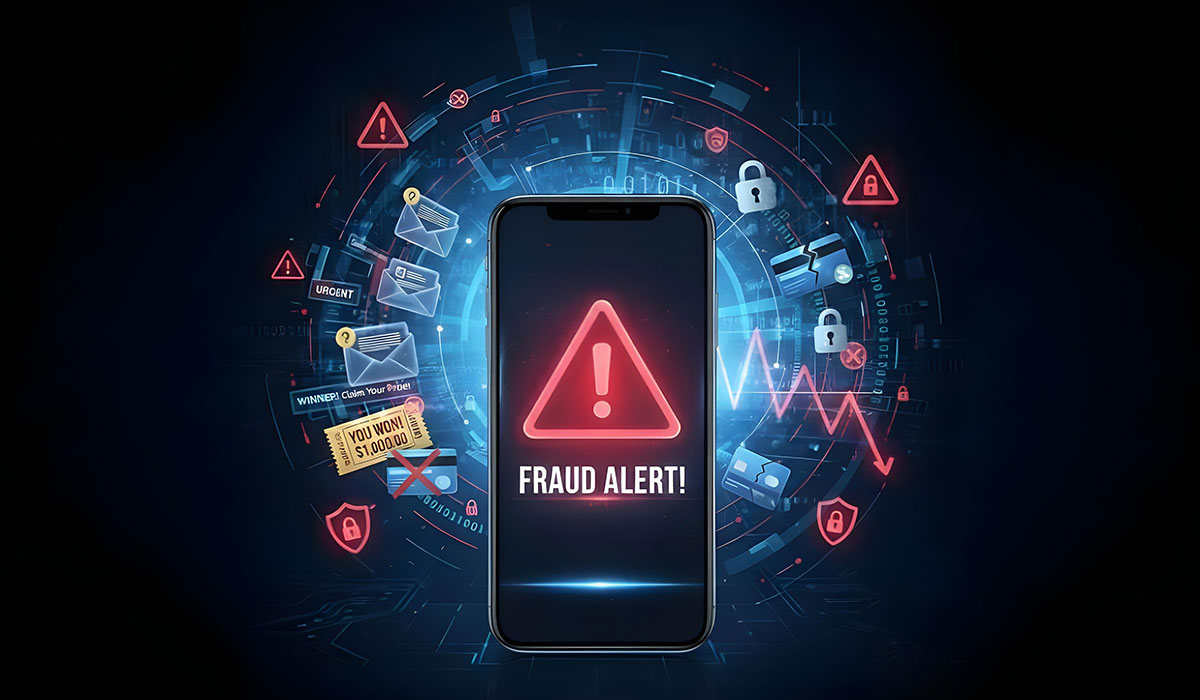
Every day, you receive SMS messages about bank transactions, loans, and services. But not all SMSs are safe or official. Scammers often send fake messages to steal your money or personal information. To protect yourself, it’s important to verify where the SMS comes from.
In India, official SMS messages from banks, NBFCs, or government bodies usually include a suffix — a short identifier at the end of the message that tells you the type and authenticity of the message.
SMS suffixes matter because they give you an instant clue about the authenticity and purpose of a message before you trust it or take action. In India’s regulated telecom system, organizations such as banks, NBFCs, and government departments must send messages through registered channels that are categorized as promotional, service, transactional, or government communication.
Mobile operators in India use standardized suffixes in messages sent by institutions like banks and financial services:
| Suffix | What It Indicates | Why It Matters to You |
| -P | Promotional | Marketing messages, offers, product promotions |
| -S | Service | Alerts, reminders, service updates |
| -T | Transactional | Money transactions, account activity |
| -G | Government | Official government communication |
Telecom authorities require organizations like banks, NBFCs, and government departments to send SMSs through registered channels. The suffix is added as part of this controlled system.
That means:
Here's how to understand each one:
Important: Even official promos should never ask for passwords, OTPs, or bank details.
To protect yourself:
Official SMSs should come from recognizable senders such as your bank name or short code
The suffix -T, -S, -G, or -P should match the type of message
No legitimate organization will ask you to reply with sensitive details such as:
If any SMS asks for these details, do not respond
Fraud SMS often include suspicious links. Never click them.
If you must check something - go to the company's official website or app directly.
If you receive alerts about large money movement that you didn’t initiate:
📞 Contact your bank or service immediately
🛑 Do not share OTPs or verification codes
Official messages update you - they don't ask you to take private action like providing passwords. Your safety starts with awareness.
Staying alert about SMS authenticity is a simple step that can protect you from financial fraud. Always check the sender name, understand the message type through suffixes like -P, -S, -T, and -G, and remember that genuine institutions will never ask for sensitive details such as OTPs, PINs, or passwords through SMS. When in doubt, contact the official customer care channel instead of responding to the message. Awareness and caution ensure your financial information and your money - remain safe.